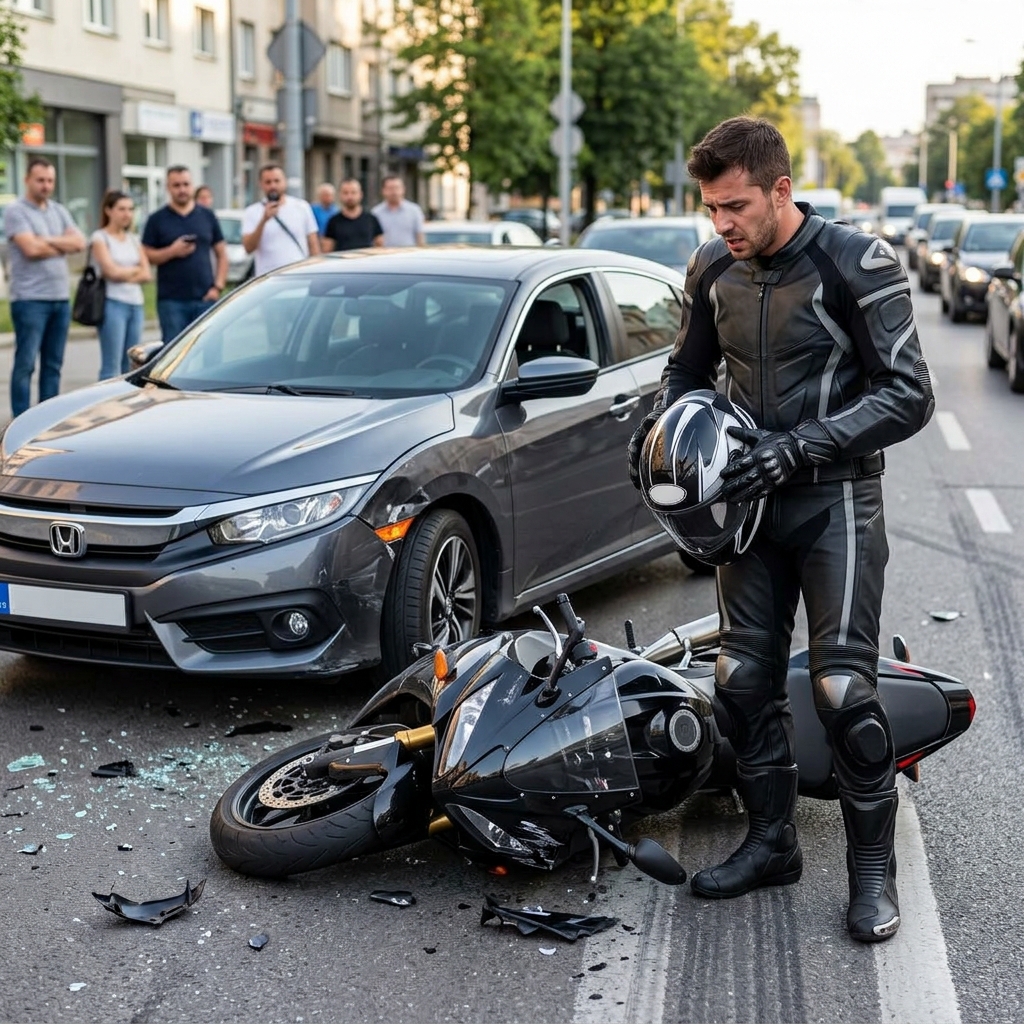
What Nevada riders often get wrong (and why insurers care)
If you’ve been in a motorcycle accident, it’s normal to feel overwhelmed. You’re dealing with pain, a damaged bike, missed work, and an insurance company that suddenly has a lot of questions.
Here’s the part most people don’t realize: insurance companies don’t just look at what happened. They look at what can be proven. And they look for any opening to argue you were partly at fault, your injuries aren’t serious, or your medical care “doesn’t match” the crash.
In my experience, these are some of the most common misunderstandings that can cause problems later:
- “If I wasn’t speeding, I’m fine.” Even when the other driver caused the crash, insurers may still argue you contributed (lane position, visibility, “came out of nowhere,” etc.).
- “I feel okay, so I don’t need medical care.” Adrenaline can hide injuries. Delayed symptoms are common, and delays in treatment can be used against you.
- “The police report will cover everything.” Police reports matter, but they don’t always capture road debris, visibility issues, or what witnesses saw.
- “I should explain what happened so the adjuster understands.” Early statements can be misunderstood or used to assign partial blame.
The goal of this guide is simple: help you protect your health and your legal rights after a motorcycle crash in Nevada.
What to do in the first 60 minutes after a motorcycle crash
The first hour after a crash is chaotic. But a few steps can make a major difference later.
1. Get to safety and call 911. If you can move, get out of traffic and away from danger. Call 911 and request police and medical help. The 911 call and police response create an early record of what happened.
2. Get checked by medical professionals (even if you feel “fine”). Many motorcycle injuries don’t show their full severity immediately. Head injuries, soft-tissue injuries, and internal injuries can be masked by adrenaline.
If you refuse care at the scene, that doesn’t mean you can’t seek care later. But it can give the insurance company an argument that you “weren’t really hurt.”
3. Take photos like you’re building a case. Photos capture details that disappear quickly. If you’re able, photograph:
- Your motorcycle and all vehicles involved (multiple angles)
- Damage close-ups and wider shots showing positions
- Skid marks, debris, broken parts, fluids
- Road conditions (gravel, potholes, oil, construction zones)
- Traffic lights, signs, crosswalks, lane markings
- Visible injuries (if appropriate)
4. Get witness names and phone numbers. Independent witnesses can be the difference between a fair settlement and a denial, especially if the other driver changes their story.
5. Be careful what you say at the scene. Be polite. Don’t argue. But avoid statements like “I’m okay,” “I didn’t see you,” or “Maybe I was going too fast.” Even casual comments can be repeated later in a way that hurts you.
6. Don’t give a recorded statement to the other driver’s insurer. You may get a call quickly. You are not required to help the other driver’s insurance company build a case against you. If you’re unsure what to do, it’s smart to get legal advice before giving detailed statements.
Nevada fault rules and insurance issues that can shrink your claim
Motorcycle accident claims often come down to two questions:
- Who was at fault (and can it be proven)?
- How much insurance coverage is actually available?
Here are the big issues that commonly affect Nevada motorcycle cases.
1) Comparative fault (partial blame) can reduce your recovery. Insurance companies frequently try to assign some percentage of fault to the rider. Common arguments include:
- You were speeding
- You were “in the wrong lane position”
- The driver “didn’t see you” (and they’ll imply that’s your fault)
- You “came out of nowhere”
Even when those arguments are unfair, they can still reduce the value of a claim if they’re not handled correctly. That’s why evidence and consistent medical documentation matter so much.
2) Policy limits can be lower than people expect. A serious motorcycle injury can create medical bills and lost income quickly. But the amount you can recover may be limited by the insurance coverage available.
That’s one reason quick, early settlements can be risky. If you settle before you understand the full medical picture, you may be stuck with costs later.
3) Uninsured or underinsured drivers are a real problem. Many crashes involve drivers who have minimal coverage or no coverage at all. In those situations, your own insurance coverage may matter more than you think.
If you’re not sure what coverage applies, a lawyer can often help you identify potential sources of recovery.
Evidence and medical documentation: how to protect your case
If there’s one theme I want you to take from this post, it’s this: the insurance company will look for gaps. Gaps in evidence. Gaps in treatment. Gaps in symptom reporting.
Here’s how to protect yourself.
Evidence checklist (the next 7 days)
- Keep your helmet and gear. Don’t throw anything away.
- Preserve the bike if possible. Avoid repairs until photos and documentation are complete.
- Request the police report. Get the report number at the scene if you can.
- Write down what you remember. Details fade fast. Note time, location, weather, traffic, and what the driver did.
- Save receipts and costs. Towing, rideshares, medications, braces, co-pays, etc.
Medical documentation checklist
- Tell your provider every symptom. Headaches, dizziness, numbness, sleep issues, anxiety, pain with movement.
- Be specific about what makes it worse. Sitting, standing, turning your head, lifting, walking.
- Follow through on referrals and imaging. If a doctor recommends it, skipping it can be used against you.
- Avoid long gaps in care without explanation. If you can’t get an appointment, document that.
This isn’t about “playing a game.” It’s about making sure your injuries are taken seriously and accurately documented.
When to call a lawyer (and how Cap & Kudler helps)
Some motorcycle crashes resolve cleanly. Many don’t.
It’s smart to talk to a lawyer early if any of these are true:
- You went to the ER, urgent care, or need ongoing treatment
- The driver is blaming you or the story is changing
- You missed work or expect to miss work
- You’re being pressured to give a recorded statement
- You’re offered a fast settlement before you understand your injuries
- You’re worried there may not be enough insurance coverage
What makes Cap & Kudler different
Cap & Kudler is a boutique personal injury firm serving Las Vegas and Clark County. When you hire the firm:
- Our attorneys personally manage your case. You’re not handed off to staff.
- You get straight answers in plain English. No runaround, no unnecessary jargon.
- You get protection from insurance tactics. The firm knows how insurers delay, minimize injuries, and shift blame.
- You get help even when the case isn’t “huge.” Cap & Kudler is willing to handle both complex cases and smaller claims.
If you’ve been injured in a motorcycle accident in Las Vegas or anywhere in Clark County, call the personal injury lawyers at Cap & Kudler at 702-878-8778 for a free consultation with an attorney.
Information only, not legal advice.